Complete Guide to Cold Cutting Services in Abu Dhabi Oil & Gas Projects
By BIJER Technical Team | Updated January 2026
This is exactly why cold cutting exists. And why it’s become non-negotiable in UAE’s oil and gas sector.
If you’re responsible for industrial piping projects in Abu Dhabi—whether you’re planning a shutdown, managing a brownfield expansion, or coordinating maintenance work—understanding cold cutting services isn’t just helpful. It’s essential for compliance, safety, and project success.
Here’s what you need to know.
What Is Cold Cutting (And Why Every Abu Dhabi Facility Demands It)
Cold cutting is a spark-free, heat-free method of cutting pipes, flanges, and pressure vessels using mechanical tools instead of thermal processes like grinding or torch cutting.
Think of it as precision machining applied to industrial piping. Split-frame machines clamp around pipes and use carbide tooling to make clean, controlled cuts—without generating a single spark or raising material temperature.
The technology isn’t new, but it’s become standard practice in Abu Dhabi’s oil and gas facilities for one simple reason: it eliminates ignition sources in explosive atmospheres. When you’re working in classified hazardous areas—especially ATEX zones or locations with hydrocarbon presence—cold cutting is often the only approved cutting method.
For contractors delivering piping erection and welding in live facilities, cold cutting is the bridge between safe execution and regulatory compliance.
When Cold Cutting Becomes Mandatory (Not Optional)
You’ll encounter three common scenarios where cold cutting transitions from “nice to have” to “absolutely required”:
1. Hot Work Permit Restrictions
Most Abu Dhabi oil and gas facilities operate under strict hot work permit protocols aligned with ADNOC HSE requirements and OSHAD regulations. When you can’t secure a hot work permit—or when permit conditions make thermal cutting impractical—cold cutting is your path forward.
The reality? Securing hot work permits in live facilities can take days or weeks. Cold cutting eliminates this bottleneck entirely.
2. Live Facility Operations
When systems can’t be shut down, depressurized, or purged, conventional cutting methods create unacceptable risk. Cold cutting allows modifications on or near live equipment without introducing heat or ignition sources.
This is especially critical during tie-in work for brownfield expansions—where new piping connects to existing operational systems.
3. Shutdown and Turnaround Preparation
Even during planned shutdowns, many facilities restrict hot work until complete isolation and gas testing are verified. Cold cutting allows preparatory work to begin immediately, compressing critical path timelines and reducing overall shutdown duration.
For projects involving bolt torquing and joint integrity work, cold cutting often precedes flange disassembly in the shutdown sequence.
Cold Cutting Methods: How the Technology Actually Works
Modern cold cutting employs three primary approaches, each suited to different applications:
Split-Frame (Clamshell) Machines
These are the workhorses of industrial cold cutting. Two-piece frames clamp around installed piping using hydraulic or mechanical force, creating a rigid platform for cutting tools to traverse the pipe circumference.
Key advantages:
- Works on pipes from 1″ to 120″ diameter
- No pipe removal required—machine mounts on installed lines
- Simultaneous cutting and beveling capability
- Precise, square cuts ideal for welding
Split-frame machines are the standard choice for pipeline construction and maintenance in Abu Dhabi’s industrial zones.
Hydraulic Cold Cutting Systems
These use hydraulic power to drive cutting tools through pipe walls. The controlled feed rate ensures consistent chip removal without heat buildup.
Best for: Heavy-wall pipe (up to 80mm thickness), offshore applications where pneumatic power isn’t practical.
Mechanical Sawing Systems
For smaller-diameter piping or situations where clamshell machines won’t fit, mechanical band saws with coolant systems provide spark-free cutting.
Trade-off: Less precision than machining methods, but faster setup in confined spaces.
Cold Cutting vs. Hot Tapping: Understanding the Distinction
Here’s where confusion often creeps in—these are complementary techniques, not competing ones.
Hot tapping creates a connection on a pressurized, live pipeline without stopping flow. It’s about accessing a system while it operates.
Cold cutting is a method of making cuts without heat or sparks. You can use cold cutting during hot tapping operations (to prepare the connection point), but they serve different purposes.
Think of it this way:
- Hot tapping = what you’re doing (making a live connection)
- Cold cutting = how you’re cutting safely (spark-free method)
For industrial piping contractors in Abu Dhabi, understanding this distinction matters when planning scope and securing permits.
Safety Standards and HSE Compliance in Abu Dhabi
Operating in Abu Dhabi’s oil and gas sector means navigating a comprehensive regulatory framework. Here’s what governs cold cutting operations:
OSHAD Code of Practice Requirements
Abu Dhabi’s Occupational Safety and Health framework mandates specific controls for cutting operations in industrial environments. Cold cutting aligns with CoP requirements by eliminating hot work hazards entirely.
ADNOC HSE Standards
For contractors working on ADNOC-operated facilities or partner projects, adherence to ADNOC HSE requirements is non-negotiable. Cold cutting satisfies stringent safety benchmarks for work in classified areas.
Federal UAE Environmental Regulations
The UAE Federal Law on Environmental Protection requires precautions during construction and maintenance activities to prevent hazardous emissions. Cold cutting produces no fumes, sparks, or combustion byproducts—making compliance straightforward.
Work Permit Protocols
Even though cold cutting doesn’t require hot work permits, you’ll still need cold work permits and associated authorizations from the asset owner. The advantage? These are typically faster to secure and involve fewer restrictions.
Contractors specializing in industrial piping services build these compliance steps into project planning from day one.
Cost Factors: What Influences Cold Cutting Project Pricing
Smart procurement teams know that “cheapest quote” rarely means “best value.” Here’s what actually drives cold cutting costs in Abu Dhabi projects:
Equipment Mobilization and Availability
Split-frame machines for large-diameter pipe (24″ and above) require specialized transport and setup. Mobilization costs depend on:
- Pipe diameter range
- Site accessibility (especially in congested process areas)
- Number of cutting locations
Projects with multiple cut points see better unit economics than single-location work.
Technical Complexity
Wall thickness matters. Cutting schedule 160 pipe takes longer than schedule 40. Exotic alloys (6Mo, duplex stainless, titanium) require carbide tooling and slower feed rates.
Simultaneous beveling during cutting adds cost but eliminates a separate weld prep step—often a net savings.
Schedule Constraints
Need the work done during a 48-hour shutdown window? Expect premium rates. Flexible schedules allow contractors to optimize crew deployment and equipment utilization.
Scope Integration
This is where value compounds: Contractors offering complete piping solutions—including cold cutting, welding, and bolt tensioning—reduce interface costs and schedule friction. You’re not coordinating three separate vendors with conflicting mobilizations.
Real-World Applications: Where Cold Cutting Delivers Value
Let’s move beyond theory into practical applications you’ll encounter in Abu Dhabi industrial projects:
Flange Facing and Repair
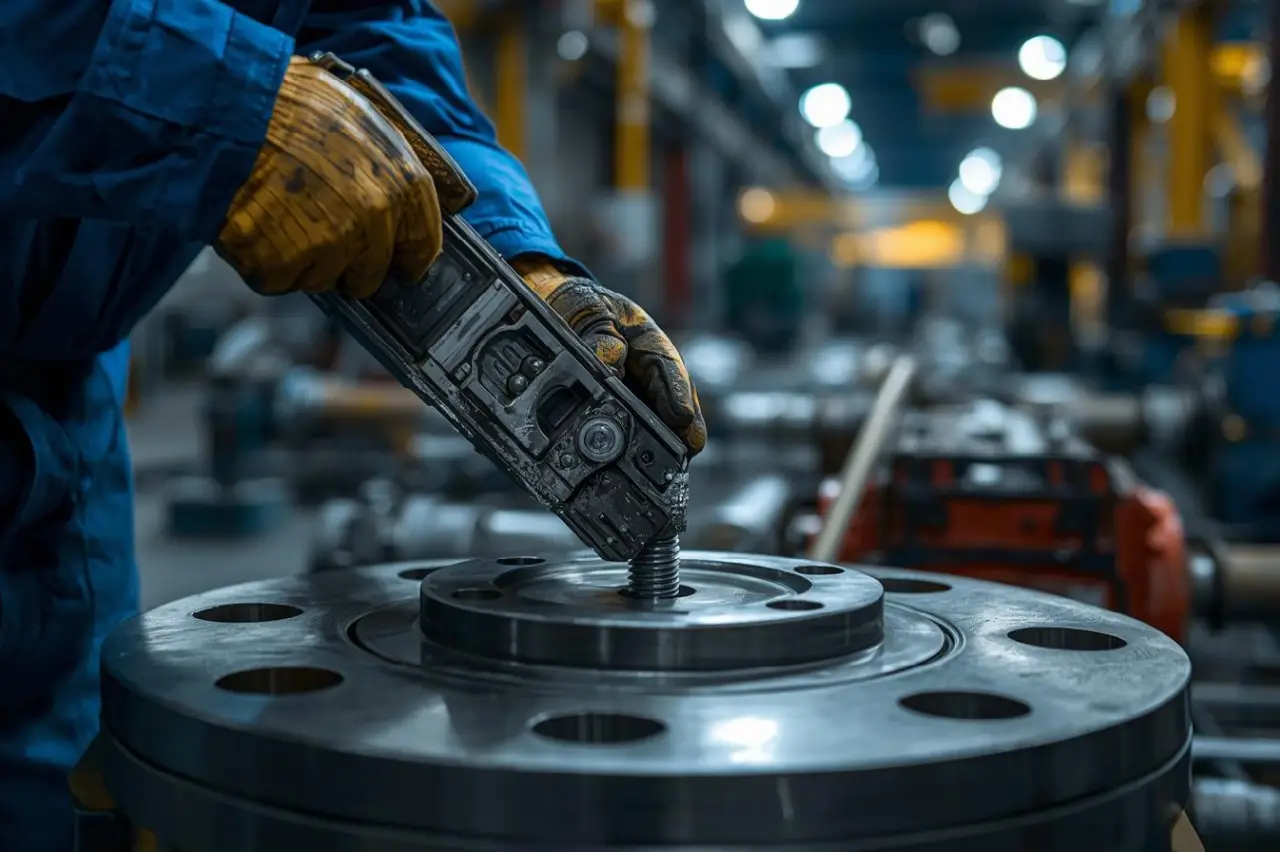
Over time, flange sealing surfaces degrade through thermal cycling, corrosion, and mechanical damage. Cold cutting machines restore flat, smooth faces to ASME PCC-1 standards—on site, without flange removal.
For facilities managing large inventories of critical flanges, this capability prevents costly replacements and extends asset life. It’s particularly valuable before controlled bolting operations where proper flange condition is essential for leak-free joints.
Pipe Beveling for Weld Preparation
Every welded pipeline starts with proper joint preparation. Cold cutting machines produce consistent, precision bevels (V-groove, J-groove, compound angles) that welders actually appreciate.
The alternative—manual grinding—introduces variables, consumes time, and generates sparks. For pipeline construction in Abu Dhabi, cold cutting bevel prep is the quality standard.
Vessel and Tank Modifications
When process changes require nozzle additions or equipment modifications on existing vessels, cold cutting provides controlled access without compromising shell integrity. No heat-affected zones mean no material property changes that could create future failure points.
Structural Steel Cutting in Classified Areas
Pipe racks, platform modifications, and structural work in hazardous areas all benefit from spark-free cutting methods. While not piping per se, this expanded capability matters for integrated project scopes.
Hot Tap Preparation
Before making a live connection, the pipe surface must be machined flat for the hot tap saddle. Cold cutting creates this mounting surface without risk to the pressurized system inside.
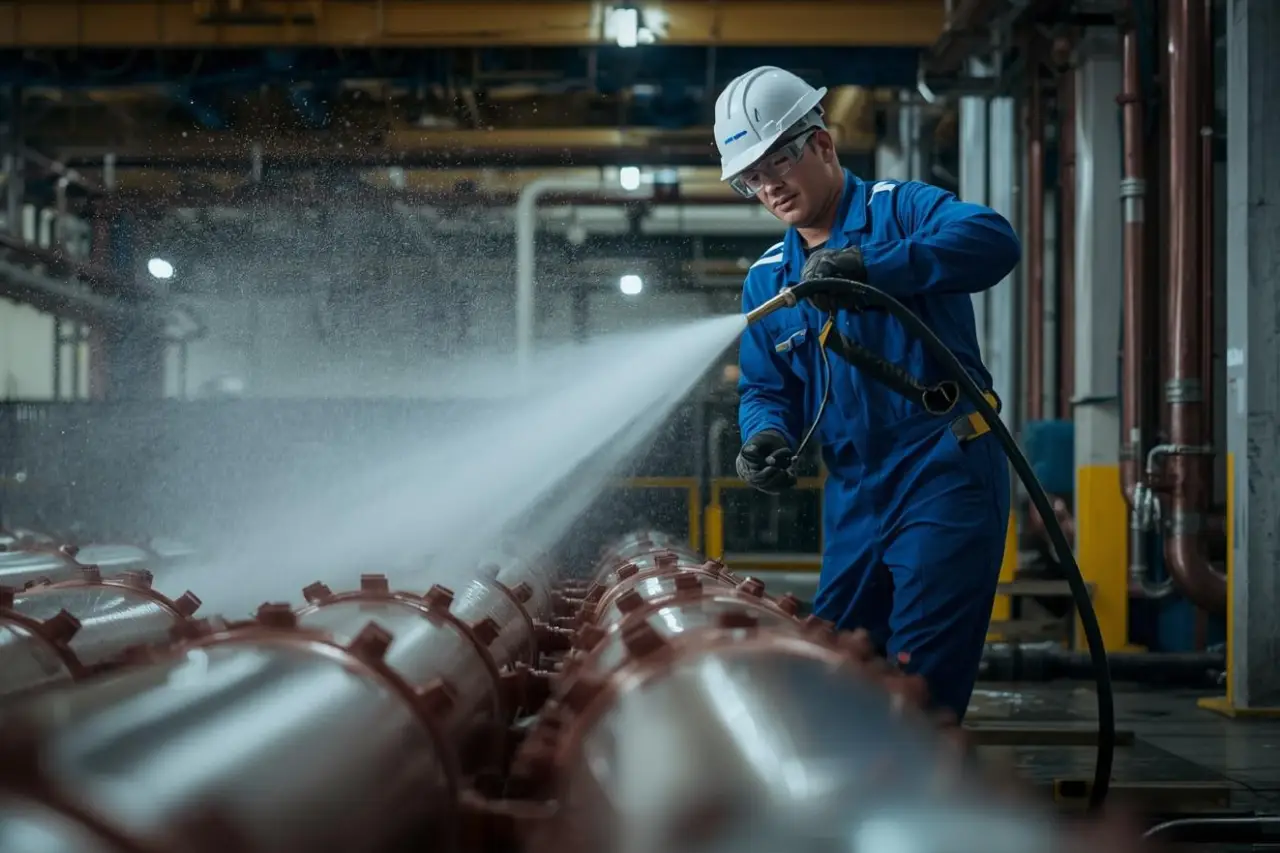
Projects combining hydro jetting for pre-commissioning with cold cutting and welding see the clearest efficiency gains.
Choosing Your Cold Cutting Partner in Abu Dhabi
Not all contractors approach cold cutting with the same capabilities or rigor. Here’s what separates competent execution from corner-cutting:
Equipment Quality and Range
Does the contractor maintain split-frame machines covering your full pipe size range? Or will they rent equipment for your job, introducing variables in operator familiarity and tool condition?
Operator Certification
Cold cutting looks simple—until it isn’t. Improper setup causes vibration, poor cuts, and safety incidents. Look for contractors with formal training programs and documented operator qualifications.
HSE Track Record
In Abu Dhabi’s industrial sector, HSE performance isn’t negotiable. Review incident rates, safety certifications, and client feedback specific to hazardous area work.
Integrated Scope Capability
The most efficient projects don’t just cut pipes—they handle the full sequence: cutting, beveling, fit-up, welding, testing, and commissioning support. Single-source contractors reduce coordination overhead and interface risk.
Local Presence and Responsiveness
When a shutdown window opens unexpectedly or schedule compression hits, you need contractors who mobilize in hours, not days. Abu Dhabi-based teams with equipment locally available deliver this responsiveness.
For facilities across Abu Dhabi industrial zones—from Mussafah to ICAD to Khalifa Industrial—proximity translates directly to schedule reliability.
Your Next Steps: Moving from Information to Action
You now understand why cold cutting dominates Abu Dhabi’s oil and gas sector. The safety imperative is clear. The regulatory requirements are documented. The technical capabilities are proven.
What matters next is execution quality.
Whether you’re planning a major turnaround, coordinating brownfield expansions, or managing ongoing maintenance, choosing contractors with genuine cold cutting expertise—backed by proper equipment, trained operators, and integrated piping capabilities—determines whether your project finishes safely, on schedule, and within budget.
The alternative? Fragmented scopes, permit delays, and elevated risk in environments where safety margins are measured in fractions of a percent.
Need cold cutting services for an upcoming Abu Dhabi project? BIJER’s technical team can assess your specific requirements and provide detailed scope proposals aligned with your schedule and HSE standards. We support projects across all seven emirates with complete piping solutions—from fabrication through commissioning.
for a site-specific evaluation and transparent project proposal.
About the Author: This guide was developed by BIJER’s technical team, drawing on direct experience delivering cold cutting, piping installation, and maintenance services across Abu Dhabi’s oil & gas facilities since 2024. Our crews operate daily in ADNOC facilities, petrochemical plants, and industrial zones throughout the UAE.