Abu Dhabi Piping Installation & Maintenance: Complete Scope Management for Industrial Projects
By BIJER Technical Team | Updated January 2026 Here’s a scenario that plays out weekly across Abu Dhabi’s industrial zones: A facility manager needs a new process piping system installed. They receive bids from five contractors. One handles fabrication. Another specializes in installation. A third provides welding. You’ll need a fourth for cold cutting tie-ins. A fifth for bolt torquing and final connections. And someone else entirely for hydro jetting and pre-commissioning. Six different contracts. Six mobilizations. Six sets of insurance, permits, and safety briefings. Six potential points of failure where schedule delays, quality issues, or communication breakdowns derail your project. There’s a fundamental problem with how industrial piping projects are traditionally executed: fragmented scopes create coordination overhead that costs more—in time, money, and risk—than the work itself. The UAE’s construction pipeline exceeds $590 billion, with industrial and infrastructure projects dominating growth across Abu Dhabi, Dubai, and beyond. Within this expansion, piping systems form the circulatory network of every oil & gas facility, petrochemical plant, and utility operation. Yet most projects still manage piping through multiple specialty contractors rather than integrated partners. If you’re planning industrial piping scopes—whether greenfield construction, brownfield expansions, or ongoing maintenance—understanding the complete project lifecycle and the advantages of single-source management isn’t just operationally valuable. It’s financially essential.The Challenge: Why Most Industrial Projects Need Multiple Piping Contractors
The traditional approach fractures piping work into discrete specialties: Fabrication shops build pipe spools but don’t install them. Installation contractors erect piping but subcontract welding. Specialty service providers handle specific needs like controlled cutting, precision bolting, or high-pressure cleaning. This fragmentation stems from historical market structures where each discipline developed independently. But it creates predictable problems:Interface Risk Multiplies With Each Additional Contractor
Every handoff between contractors introduces delay risk and quality gaps. The fabricator delivers spools. The installer discovers fit-up issues requiring modifications. The cutting contractor arrives but equipment isn’t ready. The bolting team can’t start because previous work isn’t complete. Each interface adds schedule friction and accountability questions.Mobilization Costs Compound
Each contractor charges separately for mobilization, demobilization, permits, insurance, and site setup. For a project requiring six specialty contractors, you’re paying mobilization costs six times—often totaling 15-25% of the project value.Schedule Coordination Becomes a Full-Time Job
Someone must orchestrate the sequence: when fabrication completes, when installation can begin, when tie-in work happens, when testing occurs. This coordination burden falls on your project management team, diverting attention from higher-value activities.Accountability Gaps Create Disputes
When problems arise—and they always do—multiple contractors point at each other. “The spools were fabricated incorrectly.” “No, the installation damaged them.” “Actually, the cutting contractor’s work created the issue.” Resolving these disputes wastes time and often requires external arbitration. The alternative? Integrated piping contractors who own the complete scope from concept through commissioning.BIJER’s Integrated Approach: Complete Piping Solutions Under One Roof
Single-source piping delivery consolidates fabrication, installation, cutting, bolting, and cleaning under unified management. This isn’t just bundling services—it’s fundamentally different project execution. One contract. One mobilization. One project manager. One point of accountability. For Abu Dhabi industrial facilities—from Mussafah’s petrochemical plants to ICAD’s manufacturing operations to Ruwais oil & gas complexes—this integrated model delivers measurable advantages:- Schedule compression through parallel work execution
- Cost reduction by eliminating interface markups and redundant mobilizations
- Quality improvement via continuous crew responsibility
- Risk transfer to a single contractor with comprehensive insurance and performance bonds
Phase 1: Pipe Fabrication and Spool Preparation
Industrial piping begins in the fabrication shop, not the field. Design review and material procurement kick off fabrication. Engineering drawings convert into cutting lists, bill of materials, and welding procedures. For projects across UAE industrial zones, material sourcing must account for delivery lead times, especially for specialty alloys or large-diameter pipe. Spool fabrication transforms raw materials into pre-assembled pipe sections matching isometric drawings. Quality fabrication shops employ coded welders working to approved welding procedure specifications (WPS), with radiographic or ultrasonic inspection verifying weld integrity. Surface preparation and coating protect piping from corrosion. Depending on service conditions—whether hydrocarbon process piping, cooling water systems, or chemical transfer lines—appropriate coatings are applied in controlled shop conditions before field installation. Fit-up verification before site delivery prevents costly field modifications. Dimensional checks confirm spools match design geometry and field measurements. Integrated contractors maintain fabrication capabilities or qualified fabrication partnerships, ensuring spool quality and delivery align with installation schedules.Phase 2: Site Installation and Fit-Up
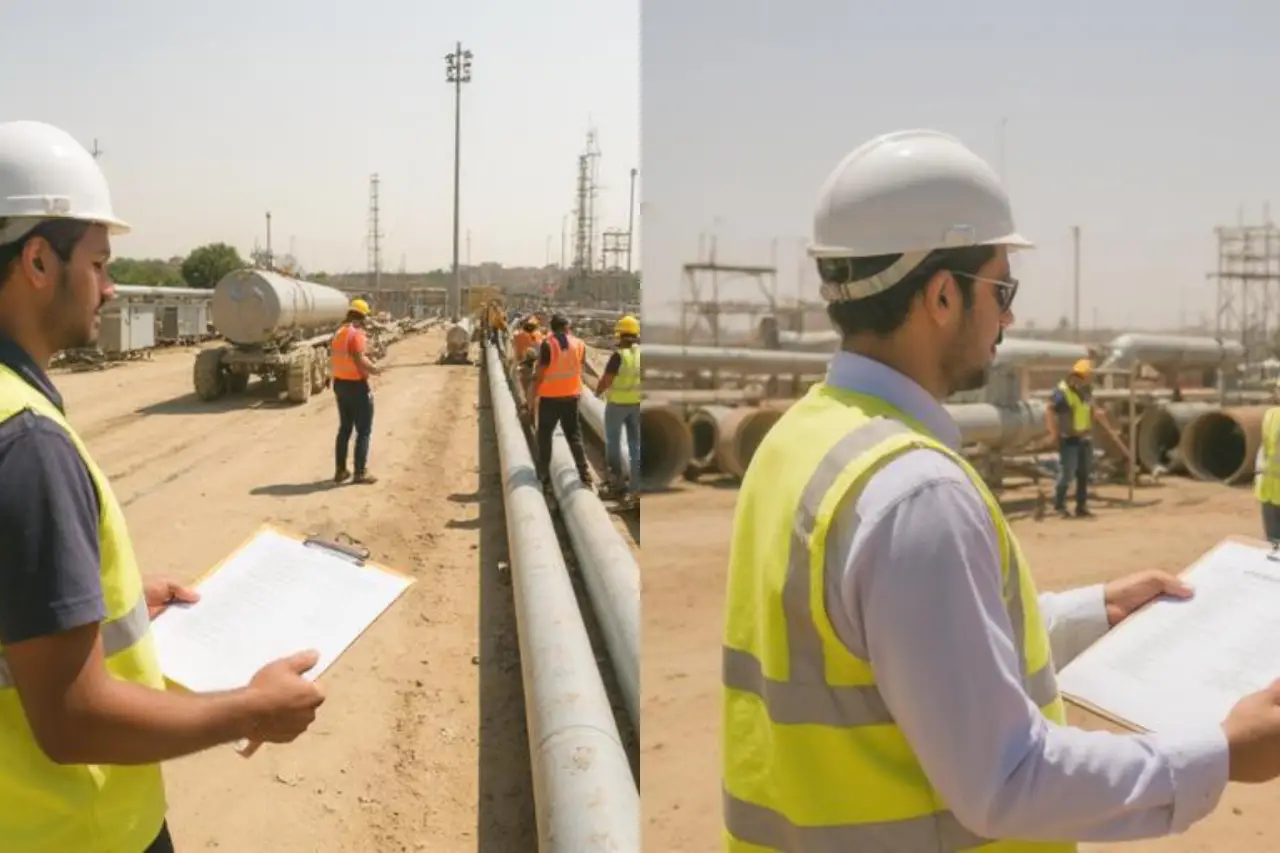
Field installation transforms fabricated spools into operating piping systems. Site preparation includes reviewing access routes, staging areas, and crane requirements. For confined industrial sites like Mussafah’s densely-packed facilities, logistics planning determines project success before the first pipe arrives. Pipe erection follows approved installation procedures and sequence. Rigging plans ensure safe lifting and positioning. Support structures are verified before loading piping. For high-temperature or high-pressure services, installation teams must account for thermal expansion, support spacing, and stress analysis requirements. Field welding connects spools into continuous systems. In Abu Dhabi’s oil & gas sector, this work occurs under strict HSE protocols, often requiring hot work permits, gas monitoring, and fire watch coverage. Quality welding contractors employ certified welders and maintain proper weld documentation for regulatory compliance. Tie-in connections to existing systems demand precision and often require spark-free cold cutting methods to maintain safety in operating facilities. These connections represent the highest-risk phase where new construction interfaces with live operations.Phase 3: Pre-Commissioning Support (Flushing, Pressure Testing)
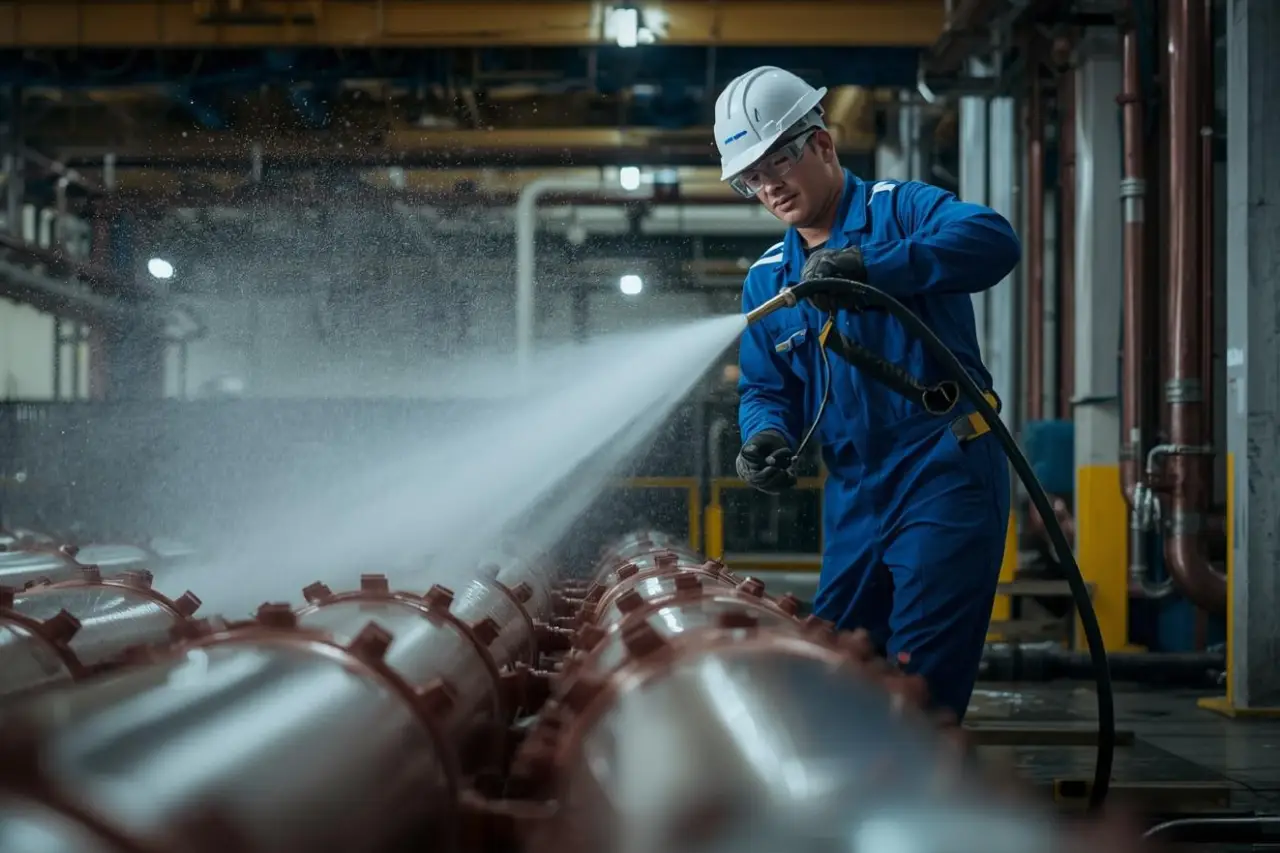
Before piping systems carry process fluids, they must be cleaned, tested, and verified. Chemical cleaning or mechanical flushing removes construction debris, mill scale, weld slag, and protective coatings. For systems with tight cleanliness requirements—like instrument air or process fluid transfer lines—industrial hydro jetting provides thorough, chemical-free cleaning. Hydrostatic pressure testing verifies piping integrity. Systems are filled with water, pressurized to 1.5x design pressure (or per ASME standards), and held for specified durations while inspectors check for leaks. Any identified issues require repair, re-testing, and documentation before proceeding. Documentation packages compile all fabrication records, welding logs, inspection reports, pressure test certificates, and material certifications. These packages transfer to the owner as permanent quality records supporting future maintenance and regulatory compliance. Punch list closure addresses any minor deficiencies identified during pre-commissioning inspections. Integrated contractors handle this internally rather than coordinating corrections across multiple subcontractors.Phase 4: Commissioning Assistance and Handover
Commissioning transitions piping from construction completion to operational readiness. System startup support includes verifying proper valve operation, instrument calibration, and control system functionality. Piping contractors work alongside commissioning engineers to troubleshoot any flow, pressure, or performance issues discovered during initial operation. Performance verification testing confirms systems meet design specifications. Flow rates, pressure drops, and heat transfer performance (for heat exchangers) are measured and compared against design intent. Training delivery equips operations and maintenance personnel with knowledge needed for ongoing system management. This includes valve locations, isolation procedures, maintenance access points, and system-specific operational considerations. Final documentation handover provides complete as-built drawings, operations manuals, maintenance procedures, and warranty information. Quality contractors deliver organized, digital documentation that supports the asset’s full lifecycle.Phase 5: Ongoing Maintenance and Shutdown Support
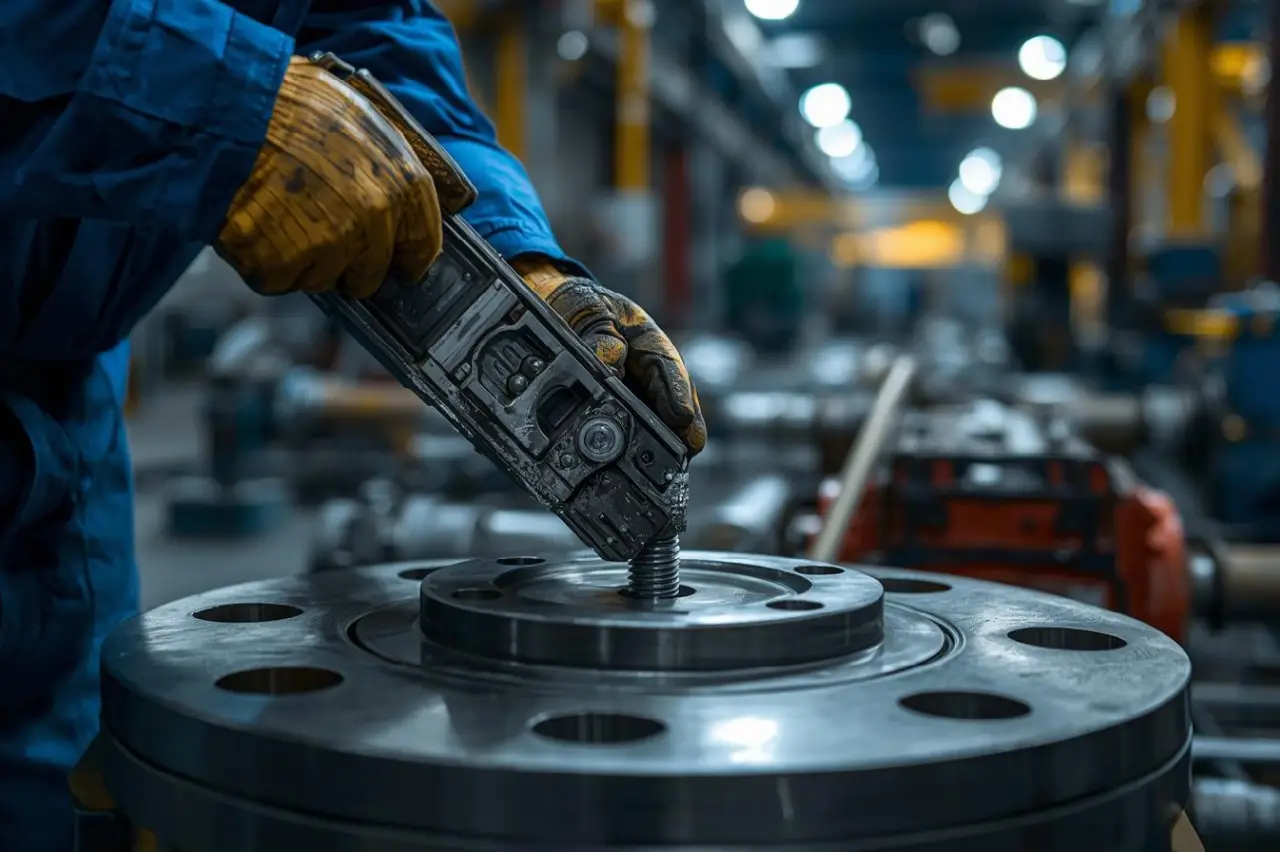
Industrial piping requires continuous attention throughout its operational life. Preventive maintenance programs address wear, corrosion, and degradation before failures occur. This includes flange bolt torque verification, valve servicing, and corrosion monitoring. Facilities partnering with their original installation contractors benefit from institutional knowledge of system history and configuration. Predictive maintenance strategies leverage inspection data to schedule interventions strategically. Thickness testing, vibration analysis, and thermography identify issues early. Turnaround and shutdown support represents peak maintenance demand. During these compressed windows, piping contractors execute multiple simultaneous activities: opening equipment for inspection, replacing degraded sections, upgrading systems, and reassembling everything before the facility restarts. Contractors who installed the original piping understand system layouts, access requirements, and operational constraints intimately—translating to faster, more efficient shutdown execution.Cost Factors in Piping Projects: What Actually Drives Your Investment
Understanding piping project costs enables informed decisions and realistic budgeting.Material Costs: 40-50% of Total Project Value
Pipe, fittings, flanges, gaskets, bolts, and specialty items constitute the largest cost component. Variables include:- Pipe specification: Carbon steel vs stainless vs alloy dramatically affects material costs
- Pressure class: Higher pressure ratings require heavier walls and more expensive materials
- Pipe diameter: Large-diameter pipe costs increase exponentially, not linearly
- Import dependencies: UAE construction relies heavily on imported materials, making shipping costs and currency fluctuations significant factors
Labor Costs: 30-40% of Project Value
Skilled craft labor—welders, fitters, riggers—commands premium rates, especially for ADNOC-approved or OSHAD-compliant workers. Labor cost drivers include:- Productivity rates (inches of weld per day, spools erected per shift)
- Overtime requirements for schedule acceleration
- Geographic location within UAE (remote sites vs urban industrial zones)
- Complexity factors (working at height, in confined spaces, or around operating equipment)
Mobilization and Equipment: 10-15% of Project Value
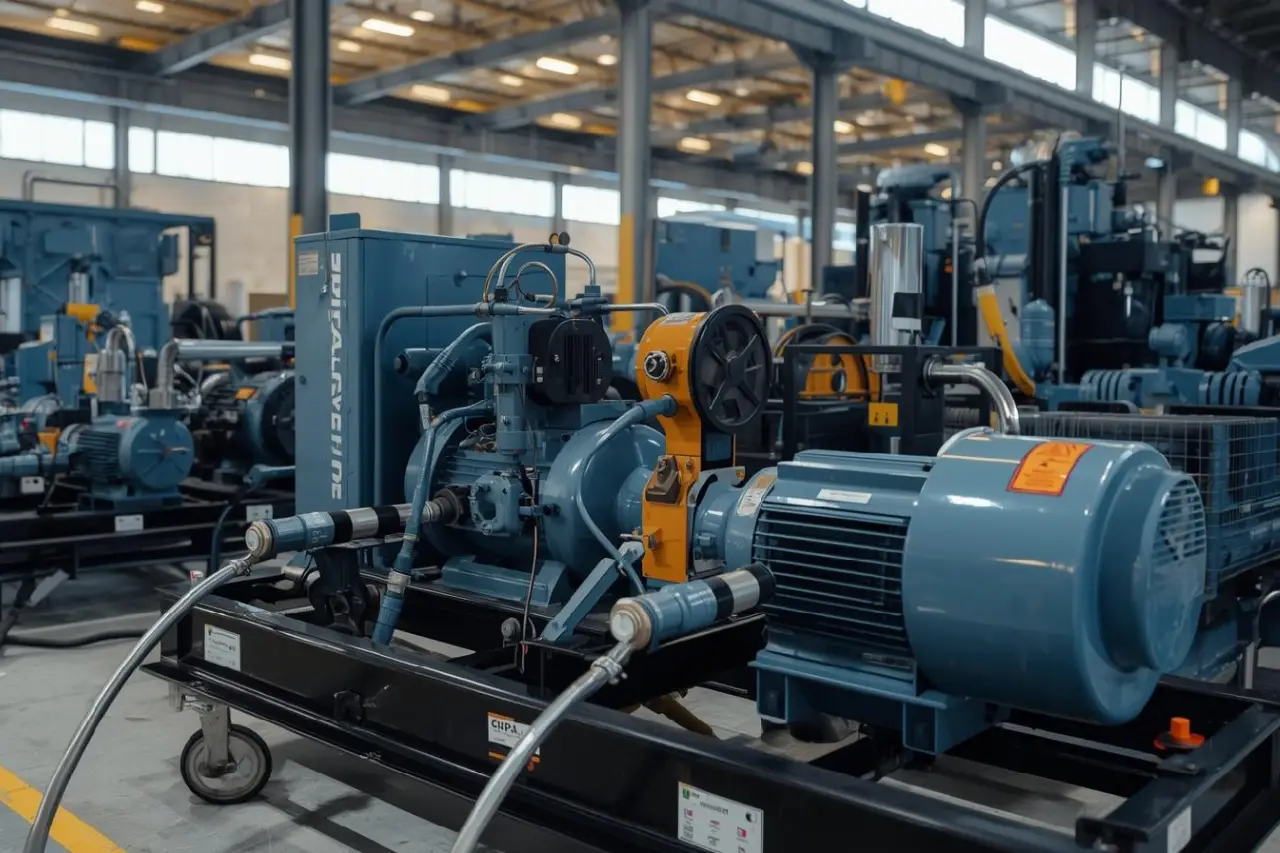
Equipment rental or ownership costs for cranes, welding machines, cutting tools, and hydro jetting systems. Mobilization expenses include transportation, accommodation, permits, and insurances. Single-source contractors spread mobilization costs across the entire scope, reducing per-activity overhead compared to multiple specialty contractors.Schedule and Sequencing: Indirect Cost Multiplier
Project duration directly impacts labor costs through crew time charges. But schedule also creates indirect costs: facility downtime during tie-ins, delayed commissioning affecting revenue startup, and extended site overheads. Efficient scheduling through integrated project management compresses timelines and reduces these soft costs significantly.Why Single-Source Piping Reduces Interfaces, Delays, and Accountability Gaps
The integrated contractor model delivers advantages extending beyond simple cost addition. Simplified communication flows through one project manager instead of coordinating multiple contractor representatives. Changes, clarifications, and decisions move faster without cross-contractor coordination meetings. Unified safety culture eliminates interface incidents caused by different contractors’ varying HSE standards. One comprehensive safety program covers all work phases. Technical continuity means the crew installing piping understands how fabrication decisions affect field fit-up, how tie-in methods integrate with testing requirements, and how maintenance accessibility was considered during installation. Schedule optimization happens naturally when one entity controls all activities. Cold cutting and welding crews can work in parallel rather than sequentially. Bolting and testing teams mobilize based on actual progress, not contractual sequence. Financial simplicity reduces administrative burden. One purchase order. One invoice schedule. One warranty. One performance bond.Industries Served: Where Integrated Piping Delivers Maximum Value
Oil & Gas Production and Refining
From Ruwais oil fields to Abu Dhabi refineries, hydrocarbon processing facilities demand piping contractors who understand explosive atmosphere protocols, materials compatibility, and regulatory compliance.Petrochemical Manufacturing
Complex chemical processes require specialized piping materials, precise installation tolerances, and thorough cleaning before commissioning. Integrated contractors managing complete scopes reduce contamination risks and startup delays.Water and Wastewater Utilities
Municipal infrastructure projects benefit from contractors capable of handling large-diameter piping, trenchless installation methods, and public health compliance requirements.Power Generation
Combined-cycle plants and cogeneration facilities involve high-temperature, high-pressure piping requiring meticulous installation quality and comprehensive testing.Geographic Coverage: Abu Dhabi and UAE-Wide Service Delivery
BIJER operates across all seven emirates with particular concentration in Abu Dhabi’s key industrial zones:- Mussafah Industrial Area: Supporting petrochemical plants, manufacturing facilities, and logistics operations
- ICAD (Industrial City of Abu Dhabi): Serving diverse industrial clients in organized industrial zones
- Khalifa Industrial Zone (KIZAD): Delivering large-scale project support in Abu Dhabi’s logistics and industrial hub
- Ruwais Industrial Complex: Executing oil & gas projects in the Western Region’s energy production heartland
Your Path to Simplified Industrial Piping Projects
Industrial piping projects don’t have to involve juggling six contractors, managing countless interfaces, and hoping everyone finishes on schedule. The integrated approach—where one qualified contractor owns fabrication, installation, cutting, bolting, cleaning, testing, and commissioning—transforms project delivery from coordination chaos to streamlined execution. For facility managers, project engineers, and procurement teams across Abu Dhabi’s industrial sector, this model delivers measurable outcomes: compressed schedules, reduced costs, improved quality, and simplified accountability. Whether you’re planning greenfield construction, brownfield tie-ins, or major maintenance turnarounds, the contractors you select determine whether your piping projects become success stories or cautionary tales. Planning industrial piping work in Abu Dhabi or across the UAE? BIJER delivers complete piping solutions—from fabrication through commissioning and ongoing maintenance—with owned equipment, certified crews, and proven experience across oil & gas, petrochemical, utility, and manufacturing sectors throughout the Emirates. Request our capability presentation and project references for detailed evaluation of how integrated piping delivery reduces your project risk, timeline, and total cost of ownership. About the Author: This comprehensive guide was developed by BIJER’s technical and project management teams based on direct experience executing integrated piping projects across Abu Dhabi’s industrial facilities since 2024. Our crews deliver fabrication, installation, cold cutting, bolt torquing, and hydro jetting services daily in ADNOC facilities, petrochemical plants, and manufacturing operations throughout all seven UAE emirates. Related Resources:- Complete Guide to Cold Cutting Services in Abu Dhabi
- Bolt Torquing and Joint Integrity Management
- Pipeline Hydro Jetting Services in Abu Dhabi
- How to Choose a Reliable Piping Contractor in Abu Dhabi