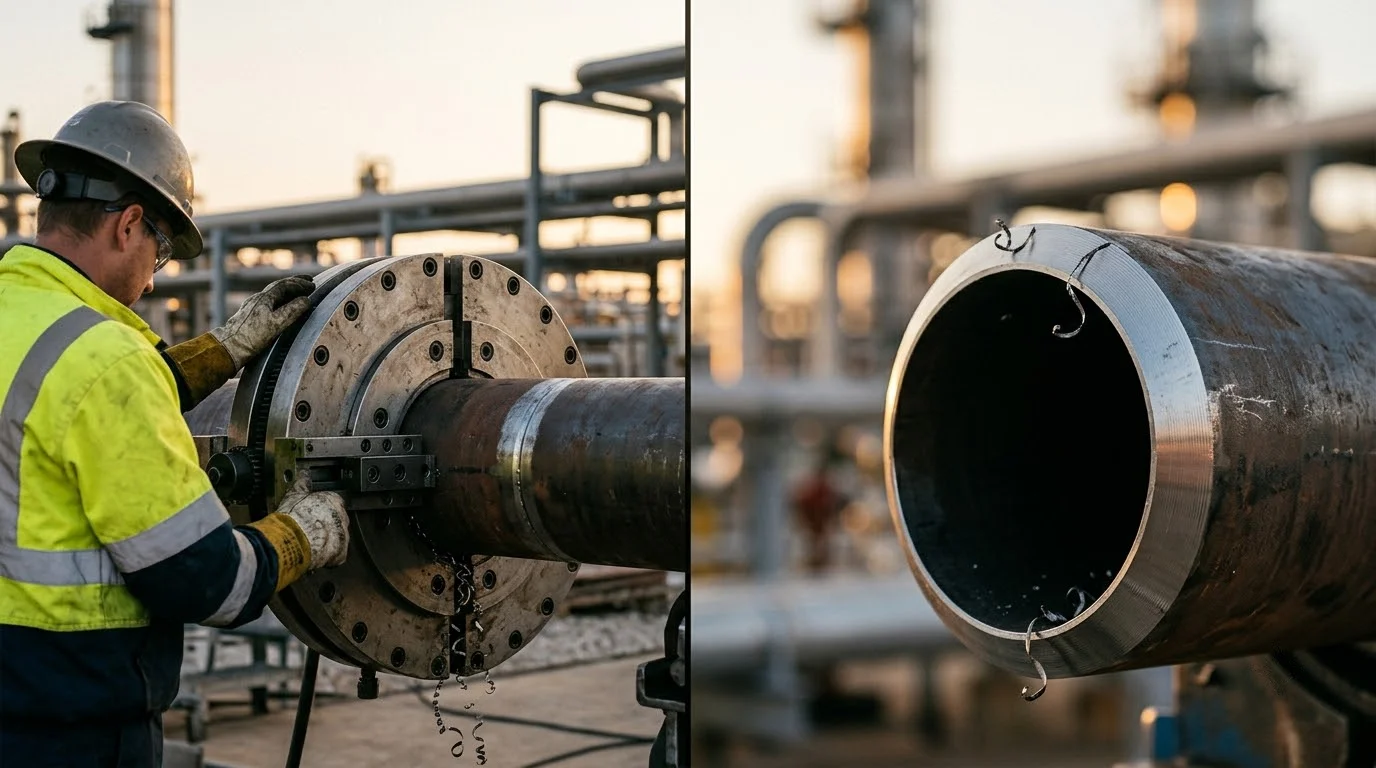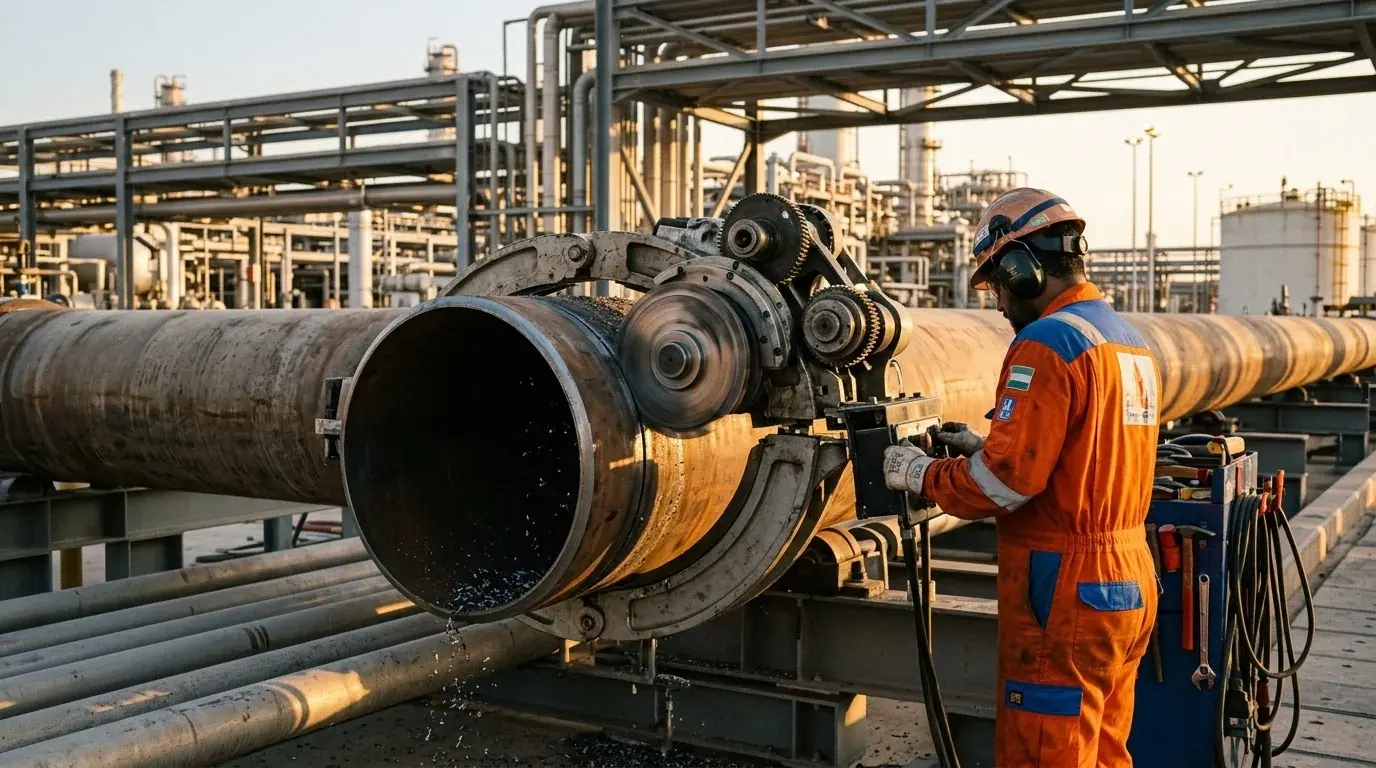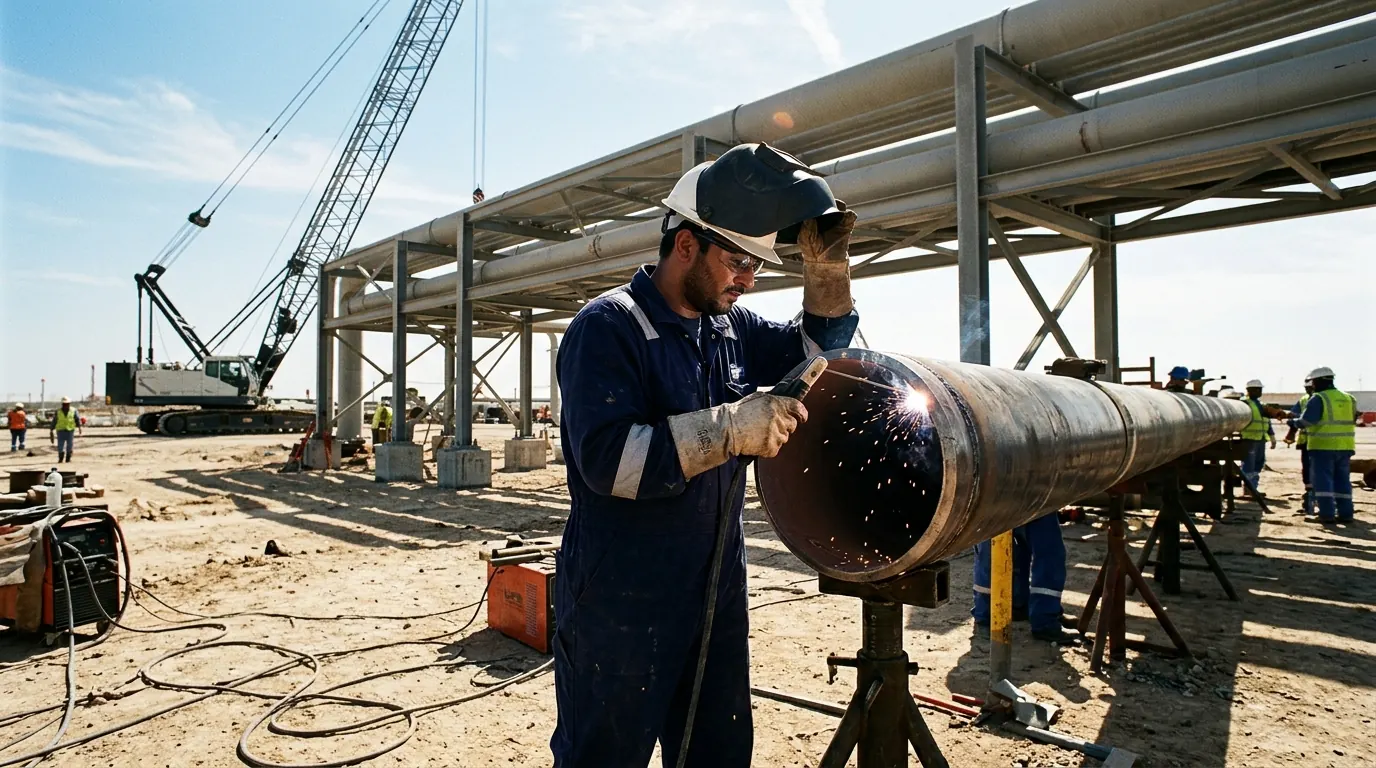
Every pipeline, whether it carries natural gas, crude oil, water or refined products, needs more than steel and welds to run safely. Before a line is commissioned, and throughout its working life, it has to be cleaned, emptied of test water and dried to a specified standard. Skipping or rushing these steps leads to corrosion, hydrate formation, product contamination and costly shutdowns.
This guide explains how pipeline pigging, dewatering and drying work, when each is needed, and what to look for when planning the work. It is useful to project managers, operators and engineers involved in pipeline construction or maintenance.
What Is Pipeline Pigging?
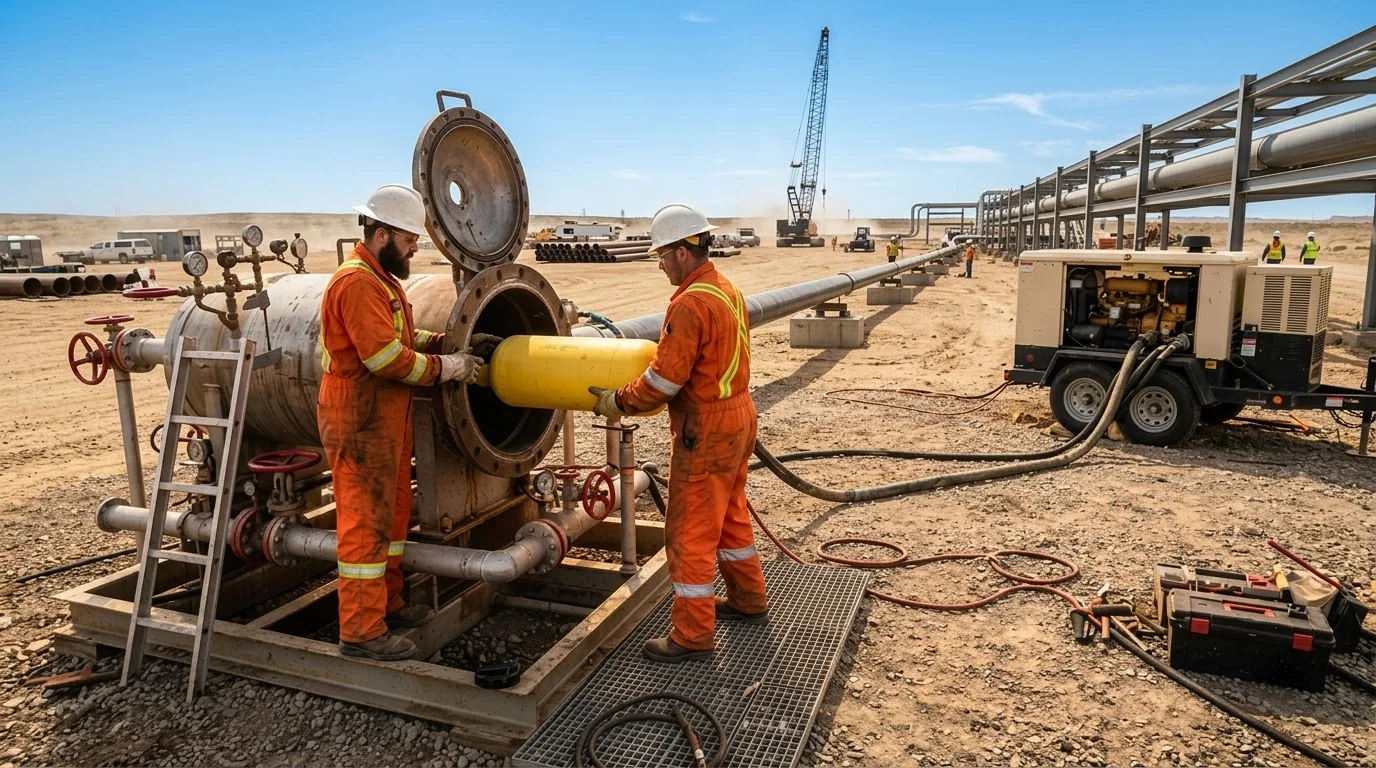
A “pig” is a device pushed through a pipeline by fluid or gas pressure. The name is said to come from the squealing sound early versions made as they travelled along the pipe. Modern pigs are engineered tools used for cleaning, separating products, gauging and inspecting.
Pigging is typically done in three situations:
- During construction, to clear debris, weld slag, mill scale and dirt left in the line.
- During operation, to remove wax, sludge, scale and liquids that build up and reduce flow efficiency.
- Before and after hydrotesting, to remove water and prepare the line for service.
Common Types of Pigs
Choosing the right pig depends on the pipeline’s diameter, length, bends, product and condition.
- Foam pigs are lightweight and flexible, which makes them ideal for a first run through a line of unknown condition. They squeeze through restrictions and rarely get stuck.
- Solid cast polyurethane pigs are durable and suited to cleaning, scraping and liquid removal over long distances.
- Mandrel pigs have a steel body fitted with replaceable cups, discs or brushes. They are used for heavy cleaning and dewatering.
- Bi-directional pigs can travel in either direction, which is useful where the flow direction may change or a pig needs to be recovered.
- Gauging pigs carry an aluminium plate that shows dents, ovality or other internal restrictions after a run.
- Inspection (smart) pigs use magnetic flux leakage or ultrasonic sensors to detect corrosion, cracks and metal loss without taking the line out of service for excavation.
A well-planned program often runs several pig types in sequence, starting with soft, low-risk pigs and progressing to more aggressive cleaning tools.
Why Dewatering Matters
After a new line is built, it is usually filled with water and pressurised to prove its strength and leak-tightness. This hydrostatic test is a standard requirement, but it leaves the pipeline full of water that must be removed before commissioning.
Leftover water causes serious problems:
- It promotes internal corrosion, especially where oxygen is present.
- It combines with natural gas under pressure to form hydrates, icy solids that can block lines and damage valves.
- It contaminates the product and can damage downstream equipment.
- It can promote microbial growth, which leads to further corrosion.
Dewatering is the controlled removal of this water, and it is more than simply draining the line.
How Dewatering Is Done
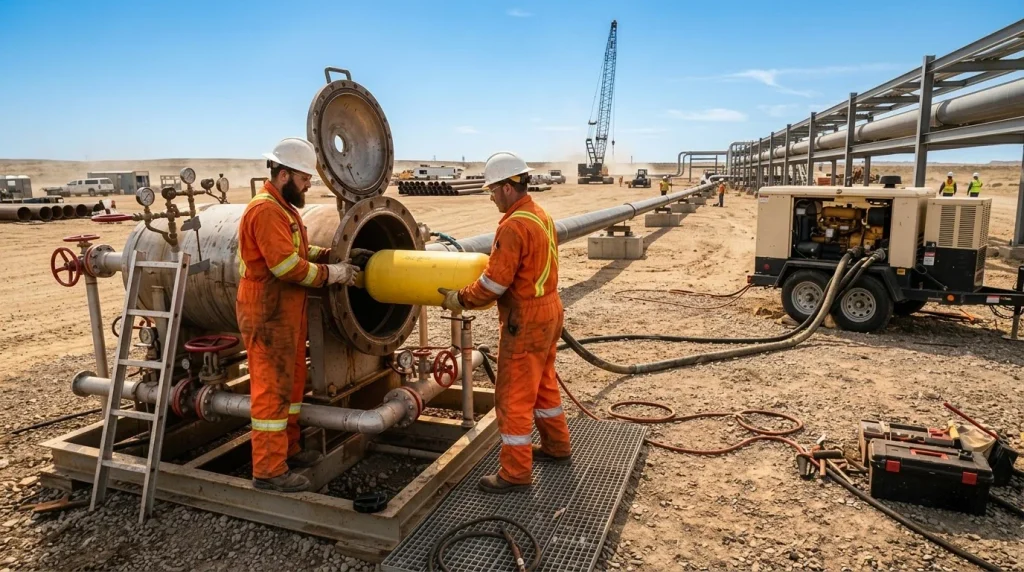
The most common method is to push a train of pigs through the line using compressed air or nitrogen. The pigs act as moving seals, sweeping water ahead of them to a discharge point. Several things shape the plan:
- Pig train design. Multiple pigs create a more complete sweep, and the volume of water between pigs can be used to improve cleaning.
- Air or gas volume and pressure. The compressor must be sized to maintain pig speed. Too slow, and pigs can stall or leak by. Too fast, and wear and surge risks increase.
- Elevation changes. Hills and low points trap water, so pressure management matters more on undulating terrain.
- Water disposal. Discharged water, often carrying rust and debris, must be handled in line with environmental permits. Filtering, treatment or testing may be needed before release.
For very long or high-consequence lines, operators sometimes run a final pig with a small measured volume of water ahead of it to confirm that no significant free water remains.
Why Drying Is the Next Critical Step
Even after a successful dewatering run, a thin film of moisture remains on the pipe wall, along with water trapped in low spots, valves and fittings. For many pipelines, particularly those carrying natural gas, LNG feedstock, instrument air or sensitive chemicals, this residual moisture is not acceptable.
Drying removes that remaining moisture to a target level, usually expressed as a dew point. A typical specification might call for a dew point of -20°C or lower at line pressure, though requirements vary by product, operating pressure and regulation. Any gas pipeline service provider will confirm the exact target in the project specification before work begins.
Common Drying Methods
Dry air drying. Very dry air, produced by desiccant or refrigerant dryers, is blown through the line. It absorbs moisture and carries it out. This is cost-effective for most applications and suits lines that can tolerate air.
Nitrogen drying. Where oxygen must be avoided, such as in some hydrocarbon or chemical lines, dry nitrogen is used instead. It is more expensive but safer where explosive atmospheres are a concern.
Vacuum drying. The line is pumped down to a low pressure, which lowers the boiling point of water so it evaporates and is drawn out. This works well for lines with complex geometry, long runs or strict dryness targets, and it reaches moisture that flowing gas can miss.
Methanol or glycol swabbing. Pigs are run through the line with slugs of methanol or glycol, which absorb water. This is sometimes used in subsea or gas lines where hydrate risk is high, though the chemicals must be managed and disposed of carefully.
Often these methods are combined. A line may be swabbed, then air dried, then vacuum dried to reach the final specification.
Verifying Dryness
Drying is not finished when the time is up. It is finished when the measurements prove it. Technicians monitor dew point at the outlet during air or nitrogen drying, and track pressure rise and stability during vacuum drying. A line is generally considered dry when the dew point stays at or below target, or when the vacuum holds without rising, showing there is no moisture left to evaporate. Results should be recorded and included in the handover documentation.
Planning and Safety Considerations
Pigging, dewatering and drying involve stored energy, moving equipment and, in some cases, hazardous products. Good planning reduces risk and avoids delays.
- Know the line. Gather as-built drawings, wall thickness, bend radii, valve types and any known restrictions. Reduced-bore valves or tight bends can trap standard pigs.
- Prepare launchers and receivers. These must be rated for the test pressure, properly vented and fitted with safe closure systems. Pressure should never be released from a trap that is not fully isolated and vented.
- Control pressure and speed. Sudden surges can damage pipe, pigs and instruments. Pig velocity should be monitored throughout.
- Plan for a stuck pig. Have a response procedure in place, including tracking methods and pressure strategies to free or locate a stalled tool.
- Manage environmental impact. Check discharge permits, noise limits and waste handling requirements before mobilising.
- Follow the standards. Applicable codes and operator specifications guide test pressures, cleanliness criteria and acceptance limits.
Experienced crews usually begin with a pre-job risk assessment and a toolbox talk, so everyone understands their role and the emergency plan.
Choosing the Right Contractor
The quality of the service you receive depends heavily on the people and equipment behind it. When evaluating a provider, look for:
- Relevant experience across your pipe size, length, terrain and product type.
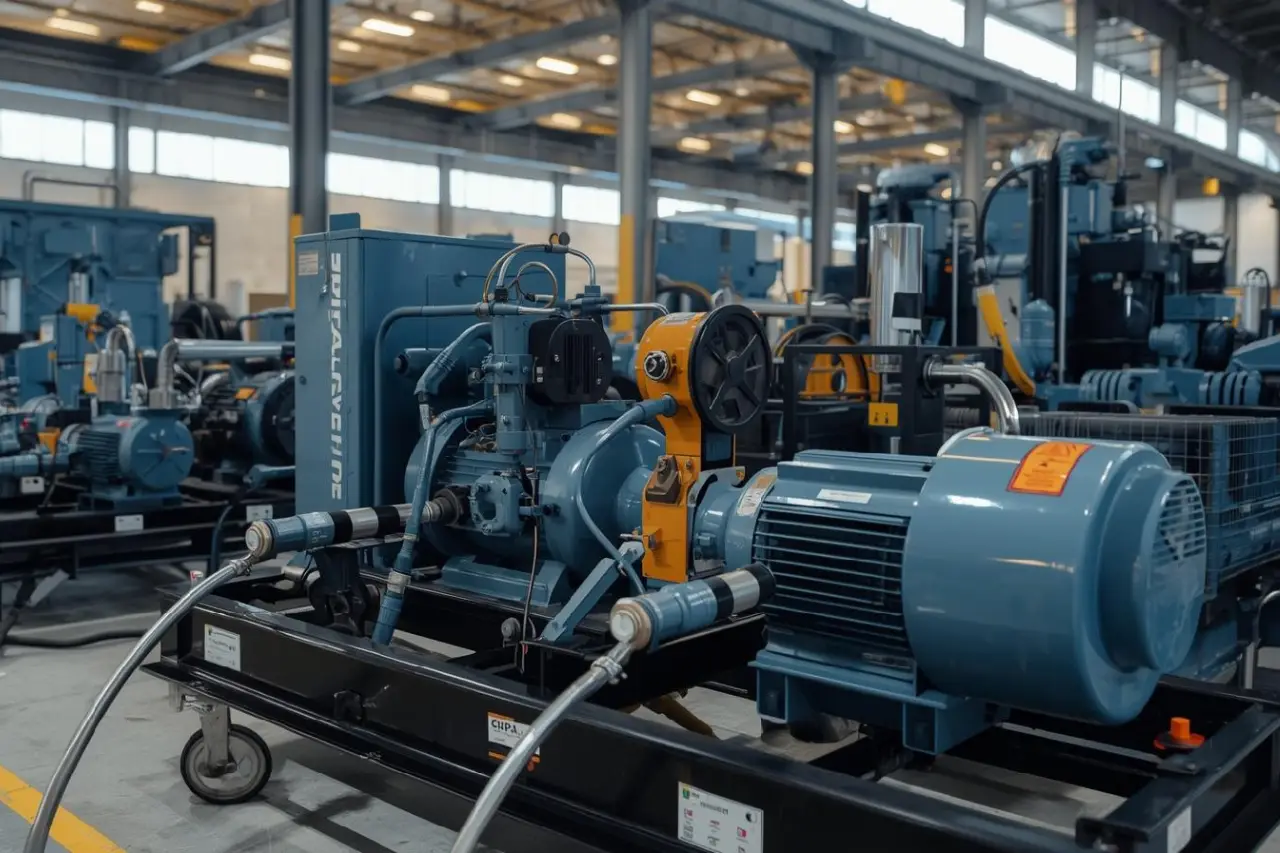
- A well-maintained equipment fleet, including compressors, dryers, vacuum units, pig launchers and tracking tools.
- Documented safety and quality systems, with clear procedures and records.
- Clear reporting, including dew point logs, pig run data and dewatering volumes.
- Coordination ability. An experienced piping contractor will integrate pigging and drying into the wider construction schedule, avoiding idle time between hydrotest, dewatering and commissioning.
It also helps to bring your provider in early. A piping contractor who understands the system design can recommend launcher and receiver locations, drain points and pigging-friendly fittings before steel is laid, saving time and cost later.
Conclusion
Pipeline pigging, dewatering and drying are not optional extras. They are essential steps that protect asset integrity, product quality and safety from the day a line is commissioned. Pigging clears debris and liquids, dewatering removes test water, and drying brings the line to the dryness the product demands. Each step depends on careful planning, the right equipment and measurable acceptance criteria.
Whether you are completing a new build or maintaining an ageing system, working with a team that understands each stage, from pipeline construction through to commissioning and ongoing gas pipeline service, will help you deliver a clean, dry and reliable line that is ready for operation.
Need this done on site?
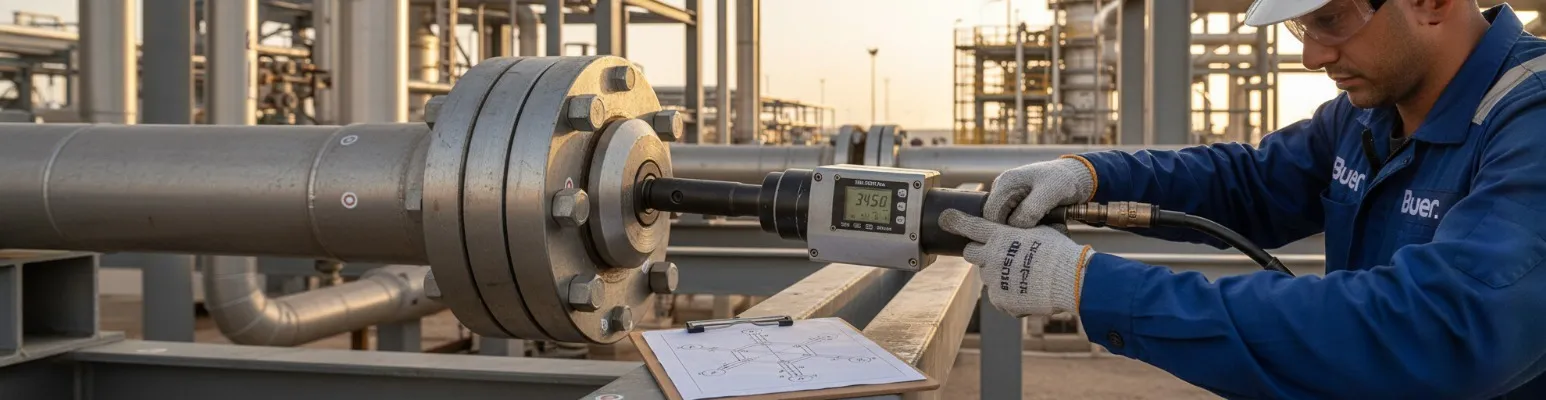
BIJER CONSTRUCTION delivers this work for oil, gas and industrial facilities across Abu Dhabi and the UAE from our office in Mohamed Bin Zayed City. See our Bolt Torquing & Tensioning Services in UAE or request a site survey.